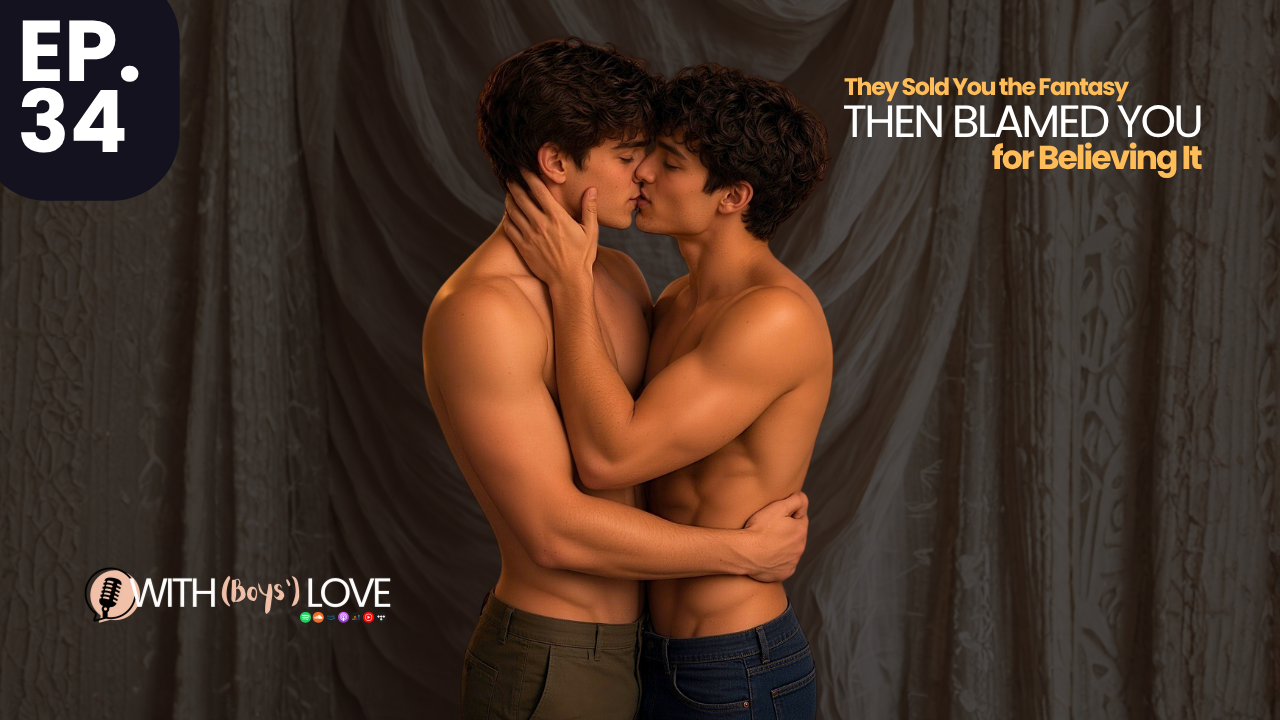
The BL Industry Sold You the Fantasy—Then Blamed You for Believing It
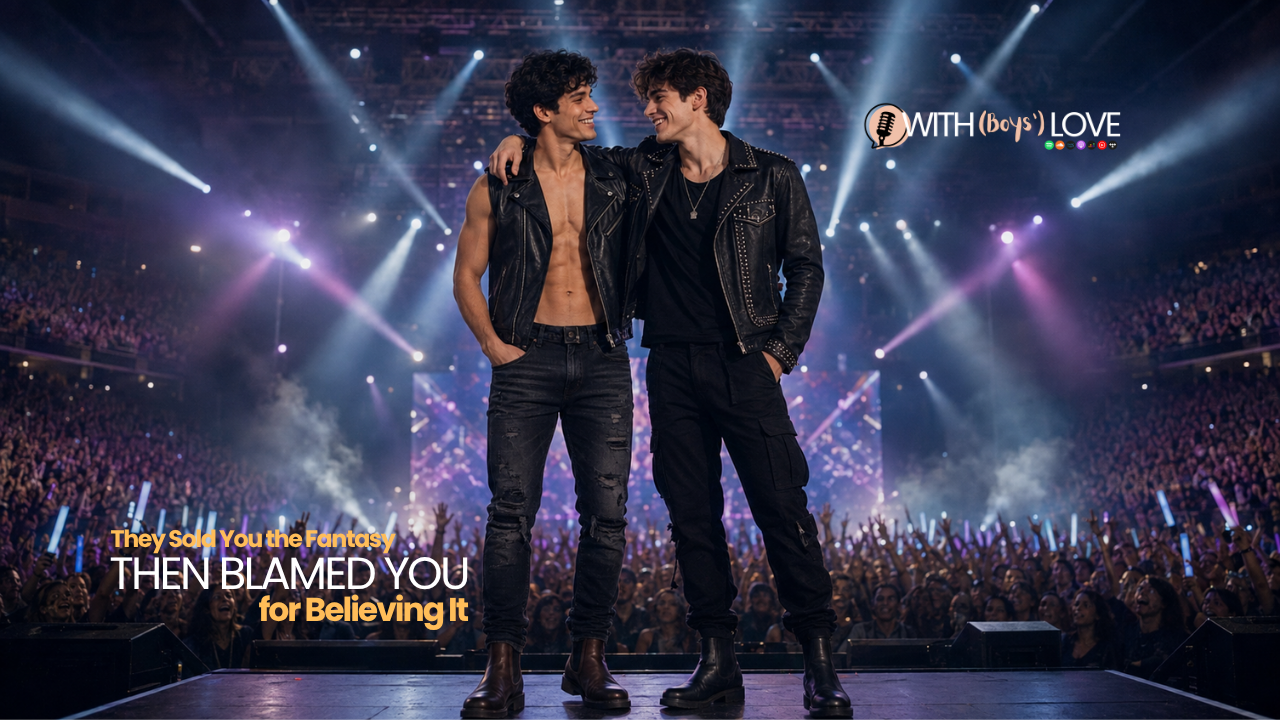
The BL industry creates characters, chemistry, romantic moments, and relationships that audiences become emotionally invested in. That is not a secret or an accusation. It is part of the entertainment business.

The problem begins when companies deliberately promote intimacy between actors, profit from the audience’s emotional attachment, and then act shocked when fans wonder whether those relationships might be real.
After a series ends, the fantasy often continues. Actors travel together, perform romantic songs, recreate scenes, flirt during interviews, appear in magazine shoots, and promote products as a pair. A carefully edited clip goes viral, the actors trend, the brand receives engagement, and everybody benefits.
Then fans begin speculating about the relationship, and suddenly another official announcement appears.

Fans absolutely need boundaries. Stalking actors, threatening them, exposing private information, harassing their families, or spreading harmful lies should always be taken seriously. Supporting an actor does not mean owning that person. Buying one photocard does not give anyone fifty-one percent ownership of his private life.
However, not every stupid comment is harassment. Not every rumor requires legal action, and not every disagreement needs an official statement.

The industry must recognize the difference between protecting an artist and intimidating ordinary fans. It must also acknowledge that emotional attachment did not appear entirely by accident. Marketing frequently blurs the line between fiction and reality because that uncertainty creates attention, engagement, and revenue.
You cannot repeatedly tell audiences, “Look how close they are,” sell tickets and products based on that closeness, and then ask why anyone cares whether the relationship is genuine.
Because you sold it.
That does not excuse harmful behavior, but it helps explain why fandom can become emotionally complicated. If every problem is dismissed by saying “fans are crazy,” nothing will improve.
Healthier fandom requires responsibility from everyone: fans, actors, managers, producers, marketers, media, and entertainment companies. Fans must respect privacy, while the industry must communicate honestly and stop exploiting emotional attachment only when it is profitable.
The fantasy did not create itself. We created it together.
Listen to the full discussion on With (Boys’) Love’s Podcast.