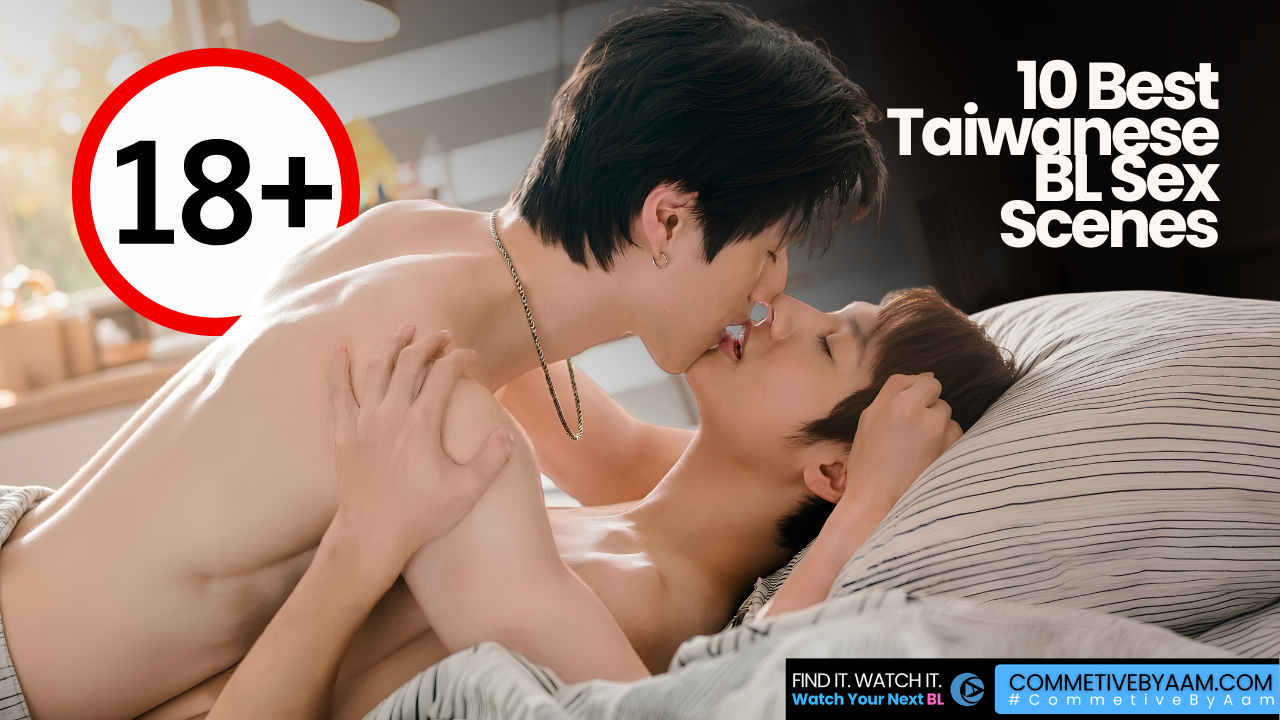
Taiwanese BL has always had its own flavor.
Thai BL may dominate the international market, Korean BL often arrives beautifully polished, and Japanese BL can move effortlessly between sweetness, eccentricity, and emotional intensity. But Taiwanese BL has developed a reputation for something slightly different: relationships that can feel adult, complicated, physical, messy, and surprisingly honest.
And when Taiwanese BL gets intimate, sex is often more than a reward for fans who waited ten episodes for two characters to finally kiss.
Some of its most memorable intimate scenes happen after betrayal, years of separation, unresolved resentment, friendship turning into desire, or characters finally confronting feelings they have spent an entire story trying to suppress. The physical relationship becomes part of the storytelling.
That is what we are looking at here.
This isn't simply a ranking of which Taiwanese BL showed the most skin. We picked 10 memorable Taiwanese BL sex and intimate scenes based on chemistry, emotional impact, storytelling, performance, and how effectively physical intimacy communicates something about the characters.
And because finding the uncut version can sometimes be more difficult than finding the series itself, we'll also tell you where these shows have been distributed.
1. Kiseki: Dear to Me — Ai Di & Chen Yi

Why we remember it: Years of longing finally become physical.
Kiseki: Dear to Me gives us plenty to talk about, but Ai Di and Chen Yi's relationship is the one that makes this list impossible to start anywhere else.
Their intimacy doesn't come out of nowhere. By the time the emotional and physical barriers between them finally collapse, their relationship has already carried separation, sacrifice, violence, imprisonment, longing, and feelings neither man has been particularly good at expressing.
That history changes the way the intimate scenes play.
The Deep Research prepared for this article highlights the later episodes—particularly the emotional reunion surrounding Episode 11—as a major payoff in their relationship. Ai Di's vulnerability makes the encounter feel less like a conventional BL "hot scene" and more like two people desperately confirming that the other person is finally there.
And that's what makes it sexy.
Not simply the choreography. Not how much the camera shows.
It's the history between them.
Physical contact becomes an extension of everything these characters haven't been able to say.
2. We Best Love: Fighting Mr. 2nd — Gao Shi De & Zhou Shu Yi
Why we remember it: Anger and sexual tension occupy exactly the same room.
If Kiseki is about reunion, We Best Love: Fighting Mr. 2nd is about resentment.
The sweetness of the earlier relationship has been replaced by years of misunderstanding, hurt and anger. Gao Shi De and Zhou Shu Yi still want each other, but wanting someone doesn't magically erase what happened between them.
That's precisely why their physical encounters work.
The famous confrontation in Episode 2 turns unresolved attraction into something volatile, while the later intimacy develops that tension further. The research identifies Episode 5 as another key moment in the uncut version.
From a filmmaking perspective, this is where intimate scenes become interesting.
A kiss doesn't always need to say:
"I love you."
Sometimes it says:
"I'm furious with you. I still want you. And I hate that I still want you."
That's much harder to perform convincingly.
3. Unknown — Wei Qian & Wei Zhi Yuan

Why we remember it: An entire series of repression finally breaks.
Unknown understands delayed gratification.
Wei Zhi Yuan's feelings for Wei Qian don't exist in a simple romantic situation. Their complicated family history means that physical attraction carries years of emotional baggage, guilt and resistance.
So when the series finally allows that tension to become physical, it matters.
The research points to the final stretch of the 12-episode story as the culmination of that long emotional build. It also notes something particularly interesting behind the scenes: actors Chris Chiu and Huang Hong Xuan had known each other for years, and publicly discussed how their familiarity and communication helped them approach the intimate material with greater comfort.
That's worth mentioning because chemistry isn't magic.
Actors need trust.
A scene can look spontaneous while being built on communication, preparation and an understanding of what both performers are comfortable doing.
When that foundation is there, the audience can stop thinking about two actors performing choreography and start believing in the characters.
4. HIStory3: Make Our Days Count — Xiang Hao Ting & Yu Shi Gu

Why we remember it: First love feels enormous when you're living inside it.
We will avoid unnecessarily spoiling Make Our Days Count, because people who haven't watched it deserve to experience the story themselves.
But anyone who has already seen it knows why its intimate moments become more powerful in retrospect.
Xiang Hao Ting and Yu Shi Gu approach love with the urgency of young people who haven't yet learned to ration their emotions. When they're happy, they're really happy. When they desire each other, that desire feels immediate.
The research identifies intimate material around Episodes 10 and 14 in its source numbering and describes the scenes as intentionally raw and youthful rather than perfectly polished.
That's appropriate for these characters.
Perfect choreography isn't always what makes a sex scene believable.
Sometimes imperfection is the point.
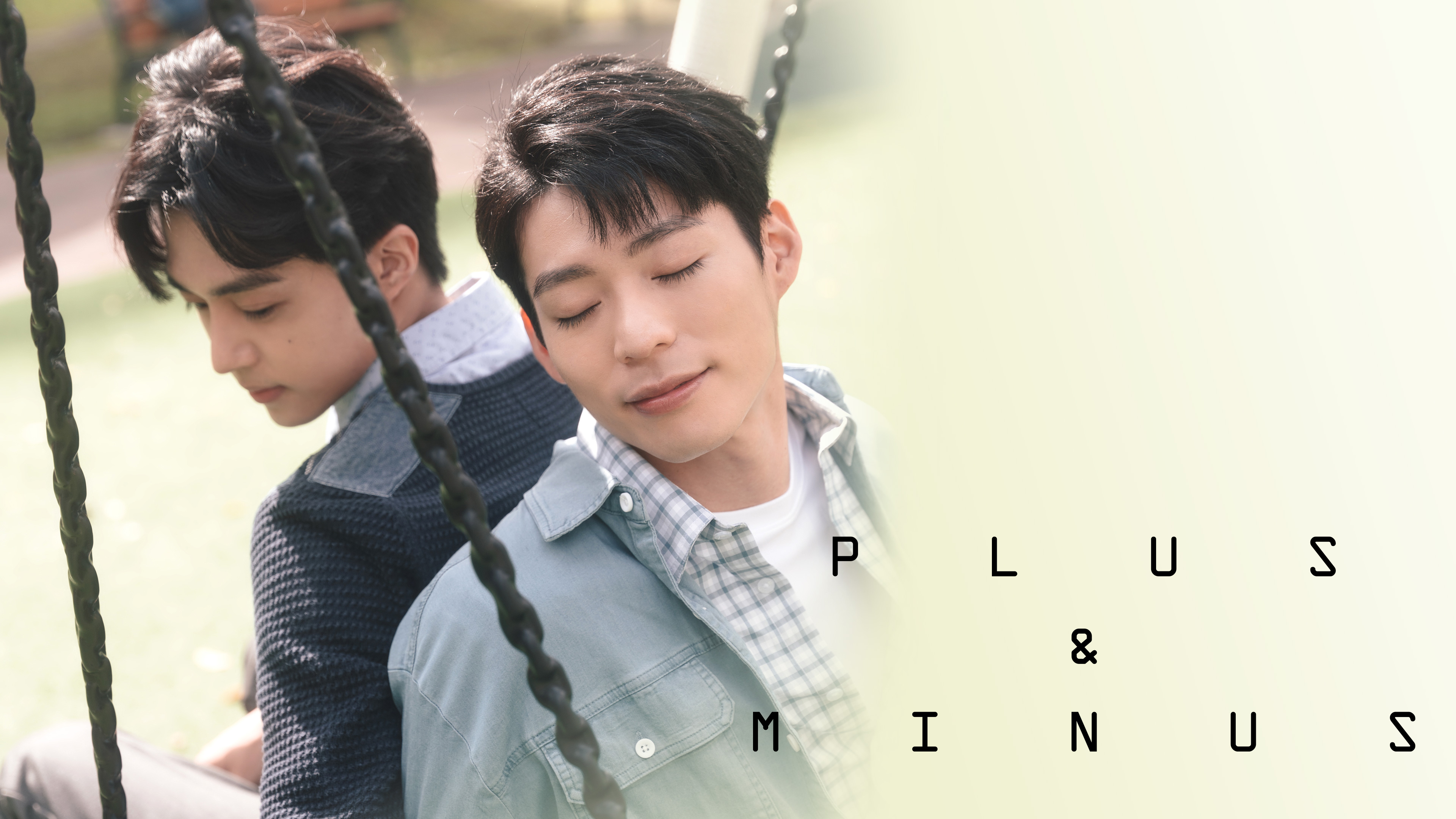
5. Plus & Minus — Cheng Ze Shou & Fu Li Gong
Why we remember it: How do you touch someone differently after knowing them for twenty years?
Friends-to-lovers stories create an interesting problem for actors and directors.
The characters are already comfortable with each other.
They've probably hugged. Sat close together. Touched casually. Shared private moments. They know each other's habits.
So how do you visually communicate the exact moment when familiar physical contact becomes sexual?
That's where Plus & Minus gets interesting.
Cheng Ze Shou and Fu Li Gong have spent approximately two decades as friends before their relationship crosses that line. The research highlights intimate developments in the later episodes, particularly Episodes 10 and 12, and focuses on how their established comfort collides with the awkwardness and excitement of discovering each other differently.
Their history doesn't disappear when they become lovers.
It comes into bed with them.
And that's exactly what makes the relationship work.
6. HIStory3: Trapped — Meng Shao Fei & Tang Yi

Why we remember it: A cop and a gangster were never going to have a completely normal romance.
HIStory3: Trapped builds its attraction around power.
Meng Shao Fei is a police officer. Tang Yi is a crime boss. Their relationship begins inside a world where both men are accustomed to challenging, pursuing and attempting to control the other.
Naturally, that dynamic doesn't suddenly disappear when things become intimate.
The research highlights the later intimate sequences and describes physical dominance as something that shifts between the characters rather than belonging permanently to one of them. It also discusses the importance of rehearsed blocking in preparing intimate material associated with the production.
This is something audiences sometimes overlook about sex scenes.
Blocking matters.
Who approaches whom? Who retreats? Who initiates the kiss? Who breaks it? Who is standing? Who sits? Who takes control—and when does that control change?
Those choices can tell us as much about a relationship as dialogue.
7. Be Loved in House: I Do — Jin Yu Zhen & Shi Lei

Why we remember it: Intimacy doesn't need aggression to feel sexy.
After several emotionally explosive entries, Be Loved in House: I Do gives us something different.
Slowness.
Jin Yu Zhen begins the story emotionally guarded, while Shi Lei gradually gets behind those defenses. Their eventual physical relationship therefore works because vulnerability itself becomes part of the attraction.
The research highlights the shower and later bedroom material around Episodes 11 and 12, emphasizing tenderness, pacing and emotional exposure rather than simply explicitness.
That's an important distinction.
A scene doesn't become more intimate simply because the actors remove more clothes.
Sometimes a hand moving slowly across someone's body tells us more than an aggressively choreographed sex scene ever could.
8. HIStory4: Close to You — Xiao Li Cheng & Teng Mu Ren
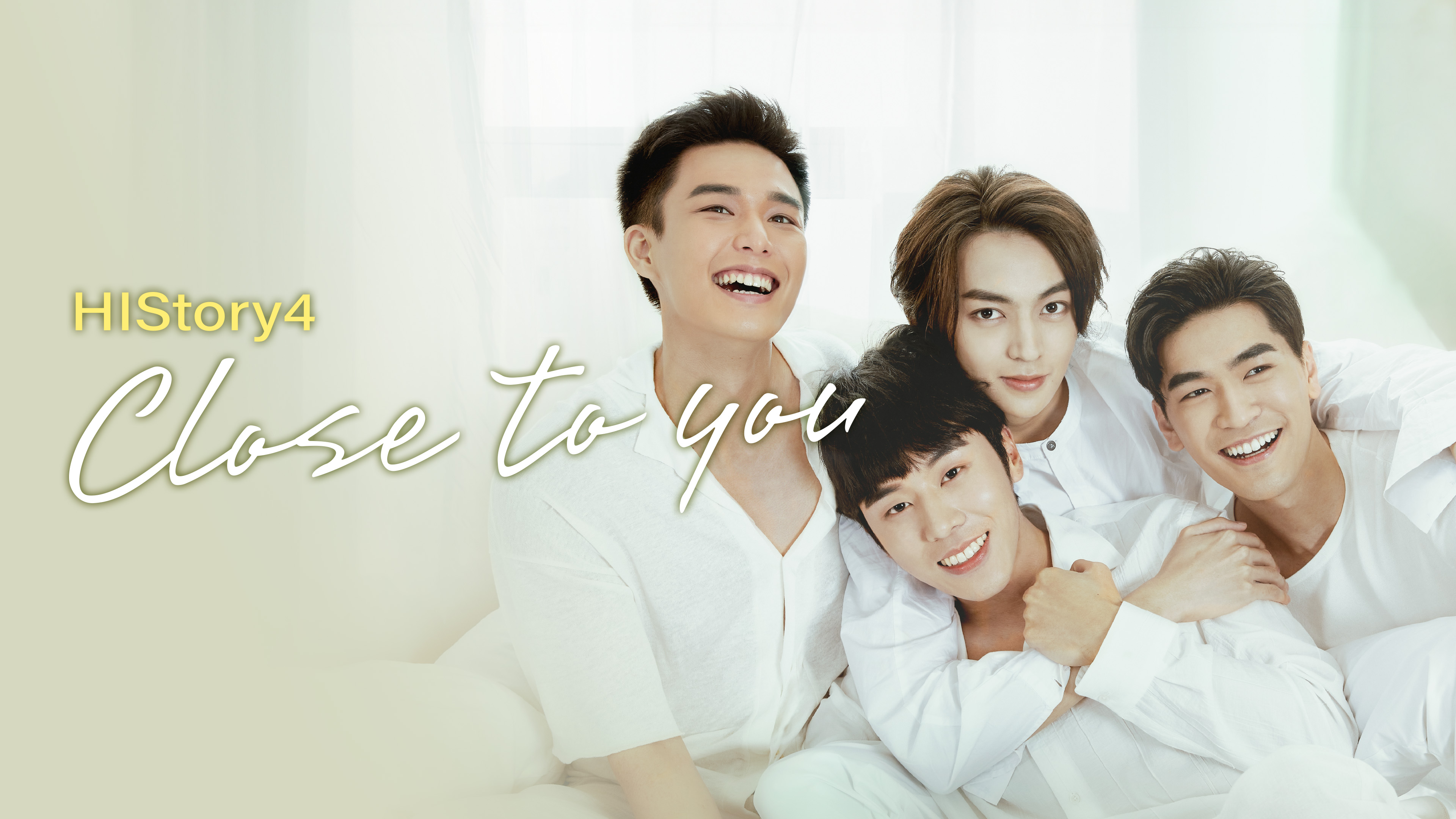
Why we remember it: Comfort and consent can be sexy too.
We need to be specific about the couple here.
HIStory4: Close to You contains another relationship that has generated considerable controversy around consent and its darker relationship dynamics. This entry is about Xiao Li Cheng and Teng Mu Ren.
Their relationship provides a very different kind of intimacy.
The research highlights their later intimate scenes, particularly Episodes 16 through 18 in its source numbering, because their physical relationship develops through communication, mutual comfort and enthusiastic participation.
And there's something refreshing about that.
BL doesn't always need toxicity to generate heat.
Two characters being comfortable enough to communicate what they want can be every bit as compelling.
9. Dark Blue and the Moonlight — Hai Qing & Yan Fei

Why we remember it: Sometimes sex makes everything worse.
And we mean that as a compliment.
Dark Blue and the Moonlight isn't particularly interested in presenting perfect people making perfect romantic decisions.
Its characters are selfish. They make mistakes. Infidelity complicates their relationships. Attraction doesn't necessarily lead anyone toward the morally correct decision.
The sex reflects that.
Rather than functioning as the reward at the end of a romantic storyline, physical intimacy can create another problem the characters now have to deal with.
The research describes the series' sexuality as frequent, moody and entangled with guilt, manipulation and desire.
That's good drama.
Sex changes relationships in real life. It can bring people closer, reveal feelings, create expectations, expose insecurity—or completely destroy something that was already unstable.
Why shouldn't fiction use it the same way?
10. HIStory1: Obsessed — Shao Yi Chen & Jiang Jin Teng

Why we remember it: You have to remember what BL looked like in 2017.
Watching older BL through 2026 eyes can be misleading.
Things audiences barely react to today could feel surprisingly bold less than a decade ago.
HIStory1: Obsessed belongs to that earlier era.
Its reincarnation/rebirth storyline throws Shao Yi Chen back into the orbit of Jiang Jin Teng, the man he desperately wants to avoid. Their relationship is obsessive, possessive and deliberately uncomfortable.
The Deep Research identifies intimate and deleted material surrounding the story's later developments and argues that Obsessed helped establish the combination of heightened melodrama and uninhibited physical desire that would continue through later entries in the HIStory franchise.
Some elements have aged better than others, particularly when viewed through today's conversations about consent.
But historically, that's exactly why the show belongs here.
You can't understand where Taiwanese BL intimacy is today without looking at where it came from.
Why Taiwanese BL Sex Scenes Feel Different
After going through these ten series, a pattern becomes obvious.
The memorable scenes aren't necessarily the ones showing the most.
They're the ones carrying the most story.
Kiseki: Dear to Me connects sex with separation and trauma.
We Best Love mixes desire with resentment.
Unknown turns years of repression into physical release.
Plus & Minus asks what happens when friendship becomes sexual.
Trapped continues a battle for power through physical intimacy.
Dark Blue and the Moonlight allows sex to complicate relationships instead of magically fixing them.
That distinction matters.
As a filmmaker, I don't believe an intimate scene becomes good simply because it is explicit. If removing the sex scene changes absolutely nothing about the characters, their relationship or the story, then we should at least ask why that scene exists.
A strong intimate scene should tell us something.
The way one character touches another, hesitates, takes control, gives up control, looks away, maintains eye contact or allows themselves to become vulnerable can all be storytelling.
Sex is physical dialogue.
And some of the best Taiwanese BL understands that extremely well.

Cut vs. Uncut Taiwanese BL: What's the Difference?
This is also where things become confusing for international BL viewers.
The version you watch isn't necessarily identical to the version someone in another country watched.
The research prepared for this article describes a distribution ecosystem in which broadcast and streaming editions can differ, with extended dialogue, emotional beats or intimate material appearing in certain uncut or premium releases. It identifies services including Rakuten Viki, iQIYI, WeTV, Catchplay+, LINE TV and YouTube memberships as part of Taiwanese BL's wider distribution landscape.
That means seeing somebody discuss a scene online that wasn't in the episode you watched doesn't automatically mean you missed it.
You may literally have watched a different edit.
Before paying for another streaming service, however, check the specific title, episode and territory. "Uncut" is not a universal label guaranteeing that every platform carries exactly the same version.
So, What Is the Best Taiwanese BL Sex Scene?
That's ultimately going to depend on what you want from an intimate scene.
If you want emotional release after an enormous buildup, Kiseki: Dear to Me and Unknown are difficult to ignore.
If you prefer anger and explosive chemistry, We Best Love: Fighting Mr. 2nd plays in completely different territory.
If power dynamics are what make a scene interesting to you, HIStory3: Trapped deserves attention.
And if you're looking for intimacy that feels warm rather than confrontational, Be Loved in House: I Do shows that tenderness can carry just as much sexual energy.
But maybe that's the real reason Taiwanese BL has produced so many intimate scenes people still talk about years later.
The sex isn't always the story. But when it's done well, it becomes part of how the story is told.
And that is much harder to forget.
Frequently Asked Questions
What is an NC scene in BL?
In BL fandom, "NC scene" is commonly used to describe sexually intimate or mature scenes. How explicit those scenes are varies enormously between productions, ratings and platforms, so "NC" doesn't automatically mean the same level of sexual content in every series.
What does uncut BL mean?
An uncut edition generally contains material absent or shortened in another release. Depending on the production, that can include longer scenes, dialogue, violence, romantic material or sexual intimacy. Always check the specific distributor because different platforms may carry different edits.
Where can I watch Taiwanese BL series?
The research used for this guide identifies platforms including Rakuten Viki, iQIYI, WeTV, Catchplay+, LINE TV, YouTube and other title-specific services within Taiwanese BL distribution. Availability varies by country and licensing period.
Are Taiwanese BL series more explicit than Korean or Japanese BL?
There isn't one rule covering every production from any of these countries. Taiwanese BL has produced several series known for mature physical intimacy, but explicitness varies considerably by title, distributor and intended audience. It is more useful to compare individual productions than assume every Taiwanese, Korean or Japanese BL follows the same style.
Do BL actors actually have sex during intimate scenes?
No. A professionally produced sex scene is a performance. Actors use acting, blocking, choreography, camera placement, editing, costume or modesty measures and other filmmaking techniques to create the illusion of sexual activity. The research also discusses structured preparation, performer boundaries and intimacy coordination as tools used for intimate production work.